

 Residential Solutions
  C&I Solutions
  Utility-Scale Solutions
  Highlight Products
 Residential PV+ESS
 C&I PV
 Utility ESS
  EV Charger
 Smart Monitoring Devices
 After-sale Service
 FAQ
FAQ Download Center
 Installation Guide
 News
News
 About SOFAR
 Join Us
PowerMagic 2.0 Passes UL 9540A Unit-Level Testing
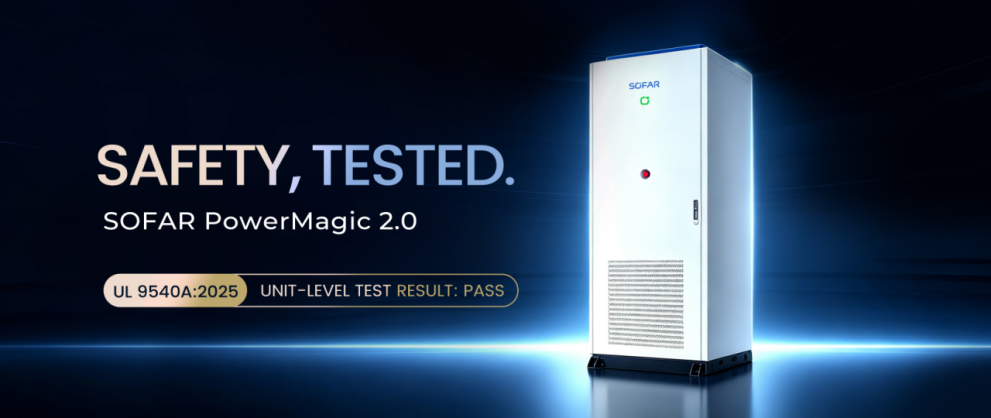
Figure 1. SOFAR PowerMagic 2.0 — UL 9540A:2025 test result: Pass.
In June 2026, SOFAR reached a product-safety milestone. PowerMagic 2.0, the company's commercial and industrial energy storage system introduced in 2026, received a Pass result in UL 9540A:2025 (Fifth Edition) testing performed by TÜV Rheinland (Shenzhen) Co., Ltd. According to the test information provided, the unit-level evaluation was conducted at full state of charge (100% SOC), with no propagation reported from the initiating enclosure to adjacent enclosures.
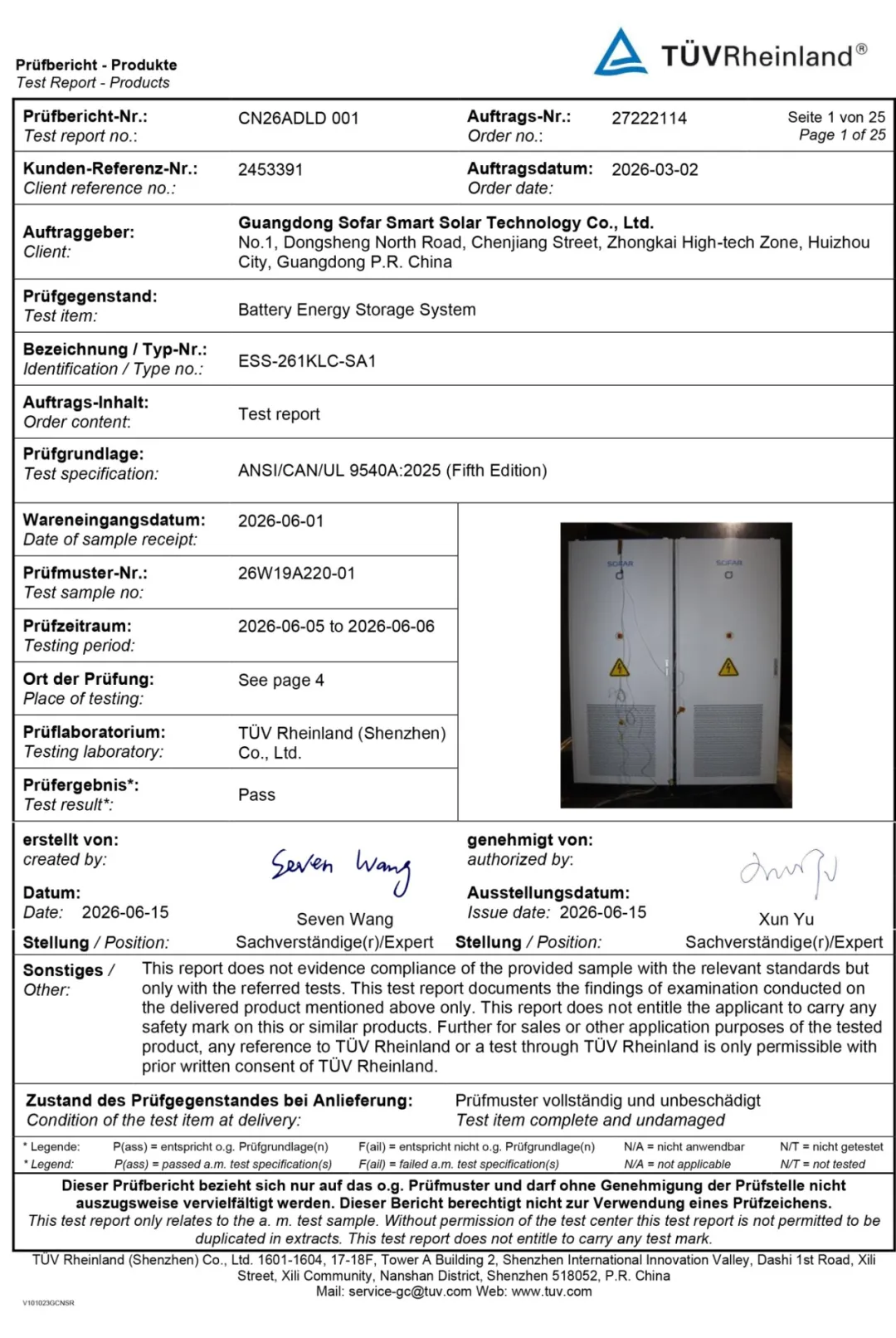
Figure 2. TÜV Rheinland test report cover page; result: Pass.
1. Understanding UL 9540A
UL 9540A is a sequential test method covering cell-, module-, unit- and installation-level evaluations. Under the Fifth Edition pathway, a battery energy storage system that meets the applicable unit-level performance criteria does not proceed to installation-level testing under that test method. Project-specific acceptance remains subject to the applicable codes, authorities having jurisdiction and customer requirements.
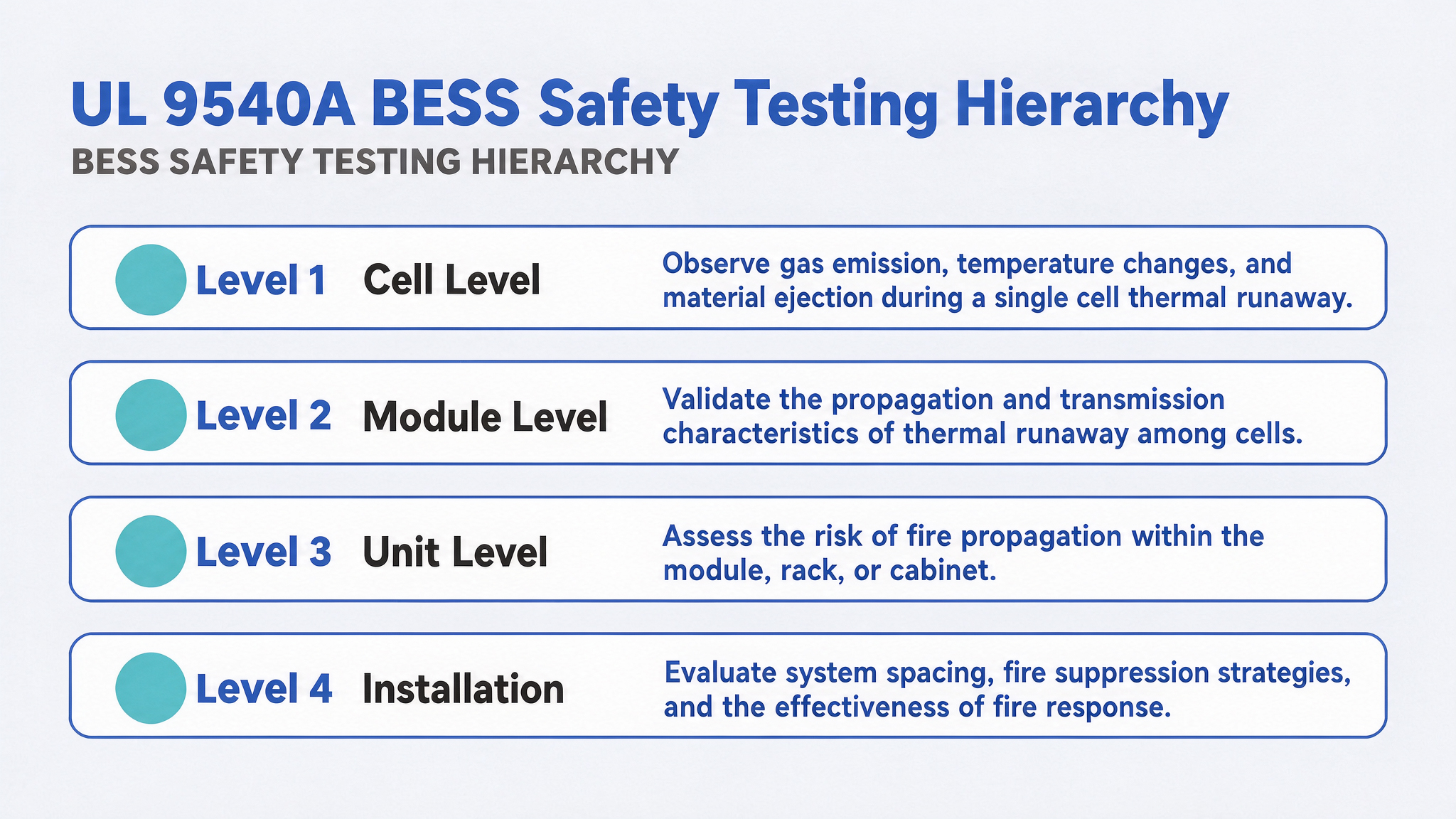
Figure 3. UL 9540A BESS testing hierarchy.
2. Unit-Level Testing: Putting Full-Enclosure Safety to the Test
01) Advanced Thermal Isolation: Propagation Limited to the Adjacent Cell
According to the supplied test data, technicians heated both sides of the initiating cell at 100% SOC and at a rate of 5°C per minute. The initiating cell's broad-face temperature reached 663.5°C. Propagation was reported to be limited to one adjacent target cell, while another adjacent cell that did not propagate reached a maximum broad-face temperature of 208.5°C.
The 455°C difference between the reported peak temperatures of the initiating cell and the non-propagating adjacent cell indicates that the inter-cell thermal barriers limited heat transfer under the tested conditions.
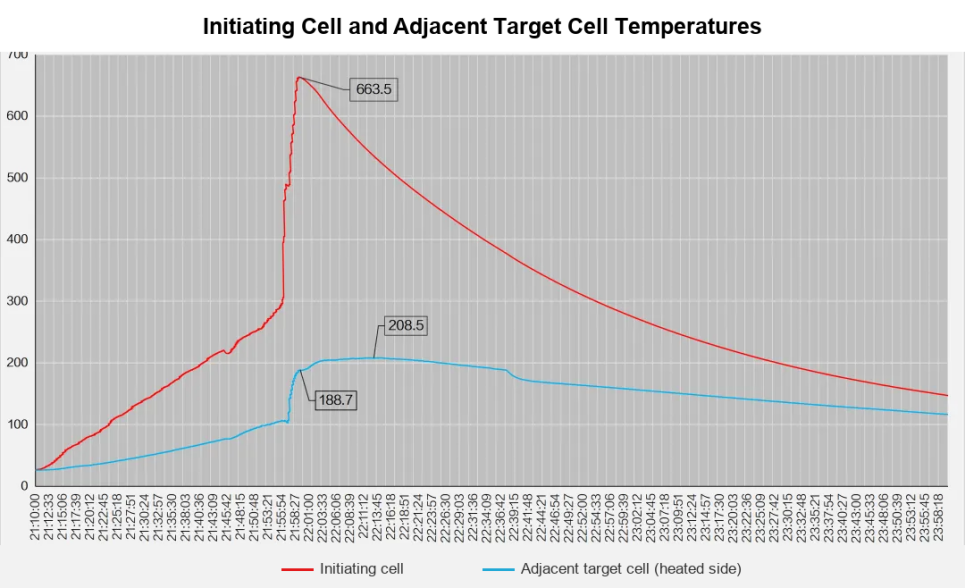
Figure 4. Initiating-cell and adjacent target-cell temperatures.
02) Directed Gas Venting: A Defined Discharge Path for Thermal Runaway Gas
PowerMagic 2.0 incorporates a directional venting architecture designed to provide an enclosed path from gas generation to discharge. During a cell thermal runaway event, the pack pressure-relief valve directs high-temperature, high-pressure gases into a dedicated duct for discharge outside the enclosure. The sealed duct is also designed to prevent backflow into the cabinet.
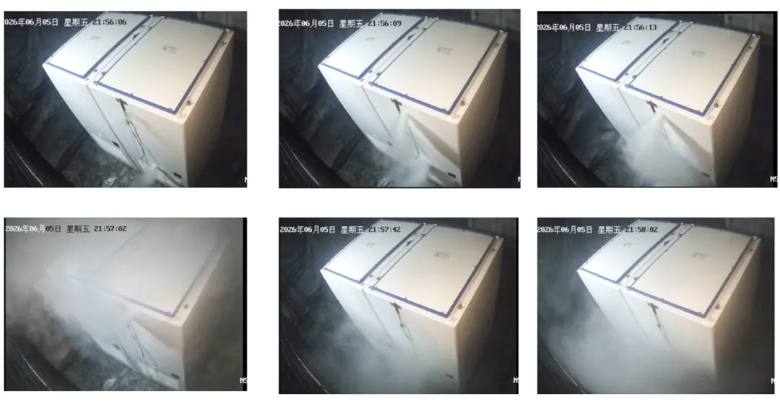
Figure 5. Gas-discharge sequence recorded during the test.
By combining controlled discharge with backflow prevention, the design is intended to reduce the accumulation of combustible gases inside the enclosure, addressing a key potential source of fire and explosion risk.
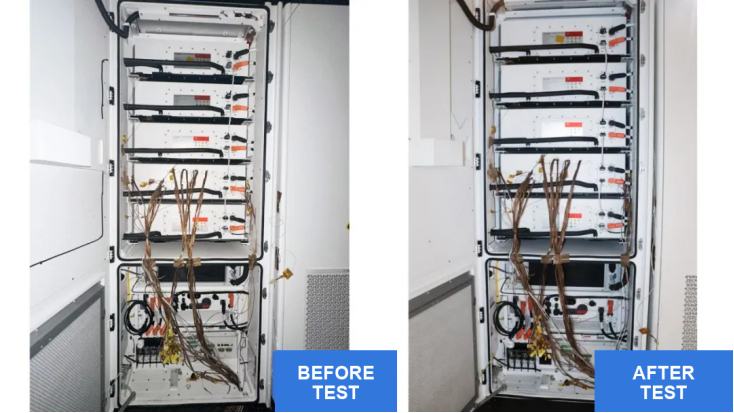
Figure 6. Enclosure interior before and after testing.
03) Performance Under Extreme Conditions: Adjacent-Unit and Wall Temperatures Well Below Test Limits
According to the supplied test information, the system was evaluated at 100% SOC with 5 mm between adjacent enclosures. The BMS and integrated fire-suppression equipment were reported as disabled during the test, creating a condition without those active protective systems.
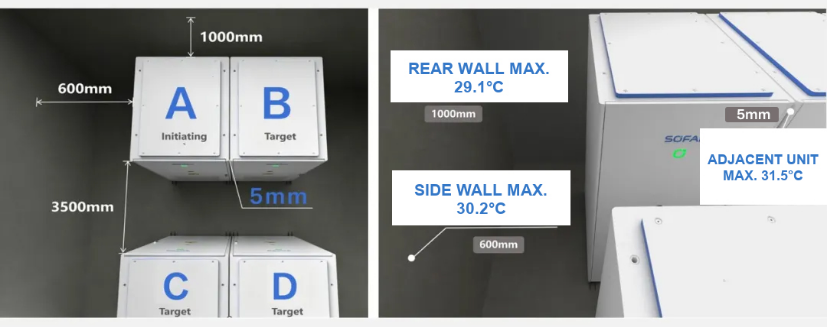
Figure 7. Test arrangement and maximum measured adjacent temperatures.
The supplied test summary reports no electrical short circuit, fire or explosion, and states that the overall structure remained intact. Reported thermal results included:
The maximum temperature measured on the adjacent enclosure was 31.5°C. The supplied data identifies 166°C as the tested cell's venting-onset temperature, a difference of 134.5°C.
The maximum adjacent-wall temperature was 30.2°C, reported as 1.3°C above ambient.
The supplied test summary reports a maximum heat-flux reading of 0 kW/m² at calorimeters positioned on and around the initiating enclosure, compared with a referenced criterion of 1.3 kW/m².
For the tested sample and configuration, the results show a substantial passive thermal-safety margin even with the BMS and integrated fire-suppression system disabled.
3. PowerMagic 2.0: Safety Engineered Across Every Level
Across the reported cell-, module- and unit-level evaluations, PowerMagic 2.0 delivered consistent test evidence: propagation during the referenced cell test was limited to one adjacent target cell; the enclosure's venting path was designed to discharge thermal-runaway gases; and temperatures measured at adjacent enclosures and walls remained below the referenced criteria. Under the tested conditions, the sample maintained its structural integrity and safety boundaries.
These results reflect SOFAR's continued work across material selection, mechanical design and system integration. Energy-storage safety is an ongoing engineering discipline, and each completed evaluation provides a basis for further improvement. As global safety expectations continue to evolve, SOFAR will continue strengthening the safety performance of its products and solutions.
View or Download the File↓
 PowerMagic 2.0 Passes UL 9540A Unit-Level Testing.pdf
Scope note: The statements above describe the referenced test sample and configuration. A UL 9540A test report is not a product certification or listing. Project acceptance remains subject to the applicable codes and authorities having jurisdiction.


