

 Residential Solutions
  C&I Solutions
  Utility-Scale Solutions
  Highlight Products
 Residential PV+ESS
 C&I PV
 Utility ESS
  EV Charger
 Smart Monitoring Devices
 After-sale Service
 FAQ
FAQ Download Center
 Installation Guide
 News
News
 About SOFAR
 Join Us
SOFAR Strengthens Local Support – Tarnów with Expanded Resources for Installers
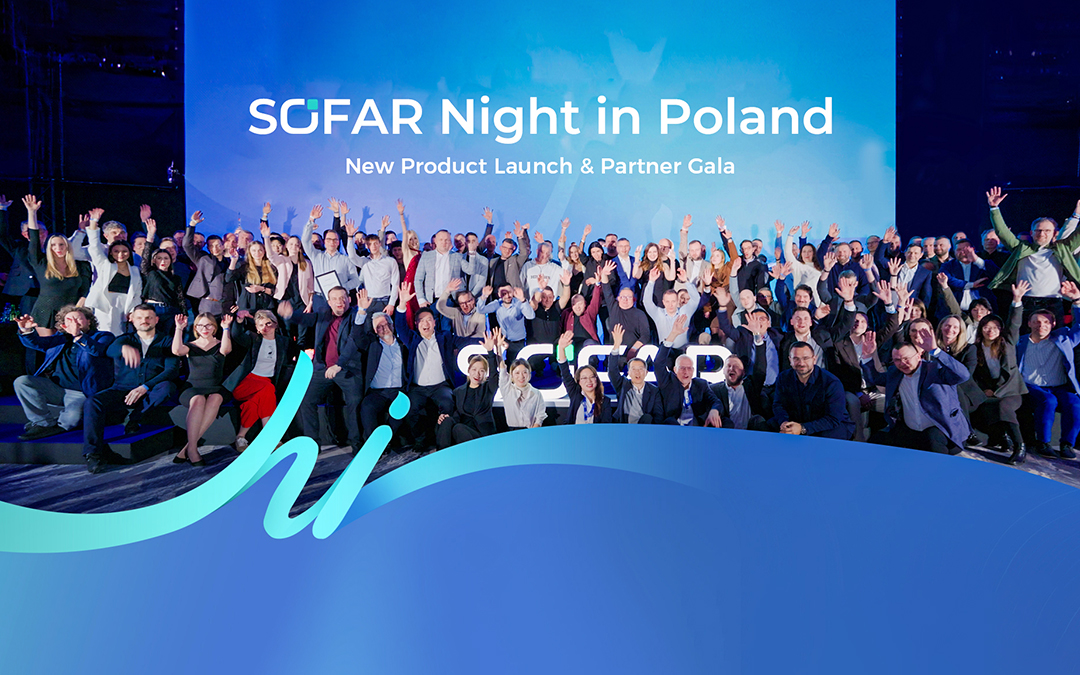
1. SOFAR Night in Poland: Strengthening the local partner ecosystem.
The Polish energy market is undergoing a quiet yet fundamental transformation. While Western Europe is reducing energy consumption, domestic industry continues to show a strong appetite for electricity, forcing a new approach to energy investments. In this landscape, SOFAR is focusing on more than just technology. The company has invested in local infrastructure that tangibly reduces risk for investors.
Industrial energy at a crossroads
Changes in the energy settlement system, including the transition to net-billing and the introduction of dynamic pricing, mean that traditional photovoltaic installations are no longer sufficient. Businesses are increasingly seeking solutions based on energy storage, enabling cost optimization and price arbitrage.
According to market analyses, energy demand in Poland remains above historical averages, clearly setting the country apart from Western European trends. It is within this context that SOFAR is expanding its strategy, firmly entering the Commercial & Industrial (C&I) segment.
Not just hardware – the key role of local infrastructure
Entering the C&I sector is not only about delivering high-performance equipment. Above all, it is about ensuring operational continuity and minimizing risk. And as practice shows, this starts with logistics and service.
SOFAR has taken a strategic step by developing local operational infrastructure in Tarnów. This includes an 800 m² warehouse that serves as a buffer for global supply chains.
"In the industrial sector, equipment downtime directly translates to severe financial penalties," notes Lisa Li, Regional Manager of North-East Europe at SOFAR. "Our localized 10-person team and high-rotation inventory in Tarnów are designed to de-risk project execution for our EPC partners, backed by a strict 24-hour response Service Level Agreement (SLA)."
This solution is no coincidence. In the industrial sector, every hour of downtime means real financial losses. That is why the company has implemented a fast-response model, with a local technical team and clearly defined response times.
SEP-certified team as a competitive edge
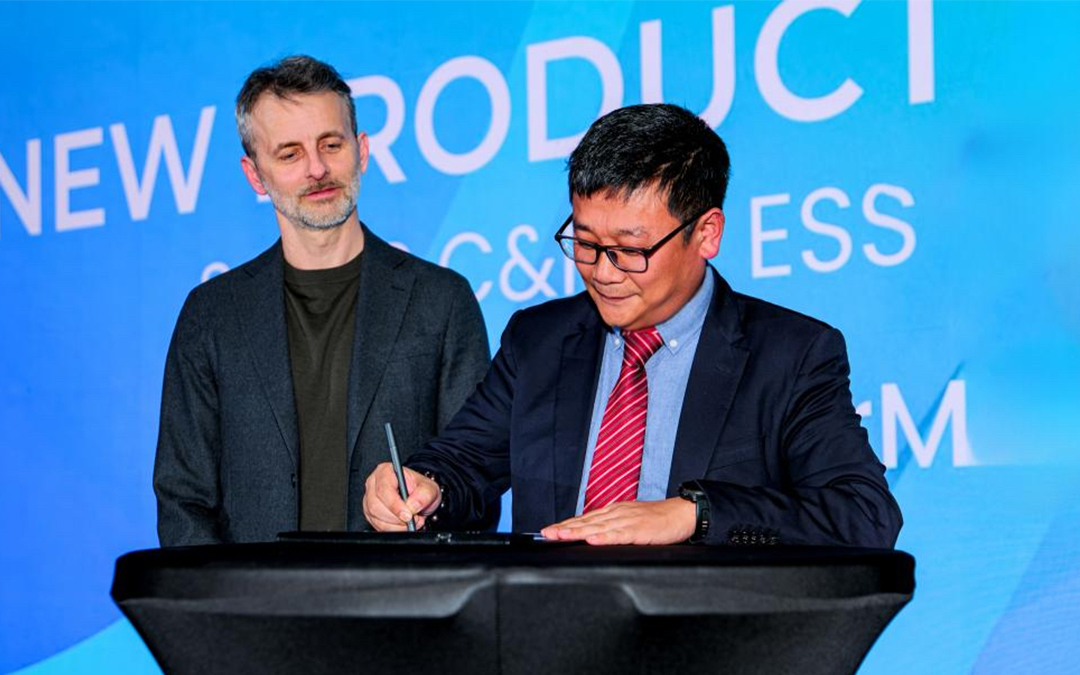
2. Strategic signing: Expanding SOFAR's C&I service network in Poland.
In the Polish energy market, project success is often determined not by equipment parameters, but by regulatory compliance and the ability to efficiently navigate Distribution System Operator procedures.
SOFAR addresses this challenge through its local technical team, led by Marcin Bratos. Importantly, the engineers hold SEP certifications allowing them to work on installations up to 30 kV. This is not a minor detail; it is a real competitive advantage.
With these qualifications, the company can:
directly supervise high-voltage connections,
collaborate with EPC contractors at the design stage,
streamline grid acceptance processes.
In practice, this means fewer barriers, fewer delays, and greater control over project execution. Access to a local warehouse translates directly into faster logistics, SEP-certified engineering support, and the ability to deliver high-voltage projects with reduced operational risk.
PowerMagic 2.0: technology tailored to reality
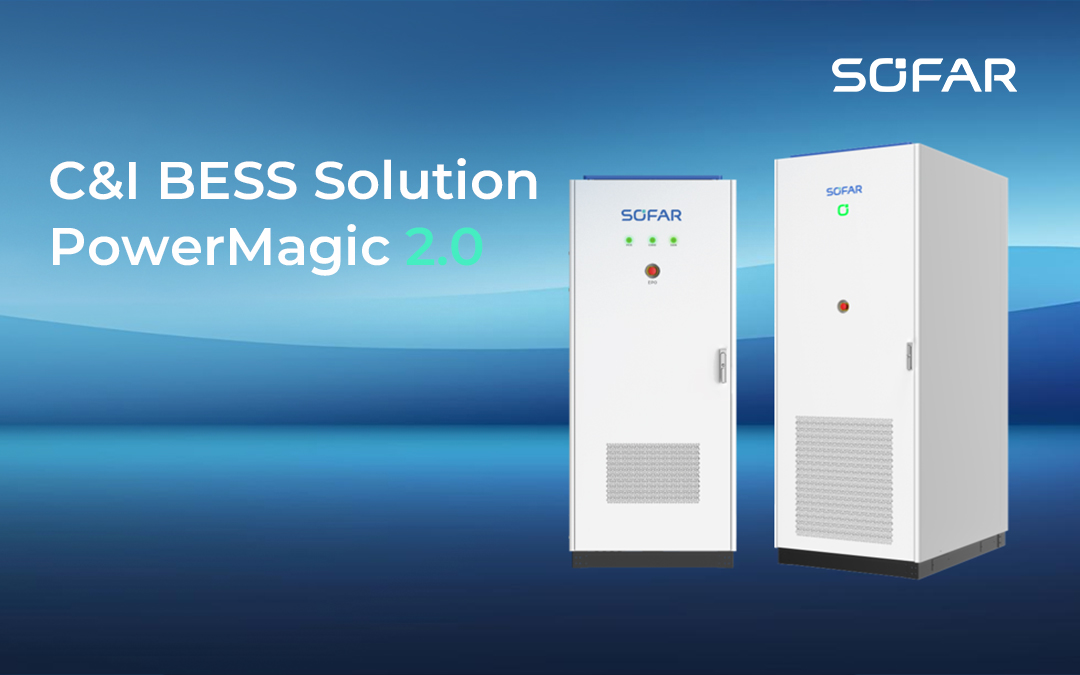
3. PowerMagic 2.0: High-performance C&I storage tailored for Poland.
The C&I transition cannot rely on one-size-fits-all solutions. Poland, with its temperature variability and strict fire safety regulations, requires technology tailored to local conditions.
SOFAR's answer is the PowerMagic 2.0 energy storage system with liquid cooling. Key features include:
Thermal stability
The system limits temperature differences between cells to 3°C, significantly improving battery lifespan and maintaining long-term efficiency.
Fire safety compliance
A multi-layered safety system – intrinsic, active, passive – helps meet strict fire protection requirements, which often determine the insurability of projects.
This approach clearly demonstrates that technology must not only perform, but also align with local regulatory and climatic realities.


